The Royal Stone: Lapis Lazuli
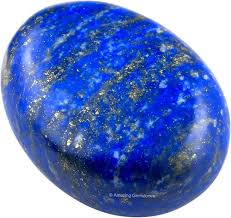
Lapis lazuli, with its deep celestial blue adorned with gold-like pyrite flecks, has been one of the most prized gemstones since ancient times. Its name combines the Latin "lapis" (stone) with the Arabic "lazaward" (blue).
A History of Royalty
Ancient Egyptians ground lapis into powder for eye shadow and burial masks. Cleopatra reportedly used it as eyeshadow. The golden sarcophagus of Tutankhamun was inlaid with lapis lazuli. Medieval Europeans called it "ultramarine" and used it for the finest blue pigment in paintings.
Lapis Lazuli Properties
Physical Characteristics
Traditional Associations
Lapis lazuli is connected to:
Lapis Lazuli for Truth & Communication
Many practitioners turn to lapis when they need to:
The stone's association with the throat chakra makes it a favorite for those working on authentic self-expression.
How to Use Lapis Lazuli
For Speaking Truth
Touch your lapis before difficult conversations to center yourself in honesty.
For Wisdom
Meditate with lapis on your third eye to access deeper insight and intuition.
For Leadership
Wear lapis during presentations, negotiations, or any situation requiring confident authority.
The Gold Within
The pyrite flecks in lapis aren't impurities—they add to its beauty and meaning. They're traditionally seen as stars in a night sky, connecting earthly wisdom to cosmic truth.
AURELIS CLARITY Collection
Lapis lazuli features prominently in our AURELIS CLARITY collection, designed for focus, truth, and calm. Each bracelet showcases the stone's characteristic blue with golden accents.
Traditions vary. Our pieces are designed for intention-setting and elevated style.