Education9 min readFebruary 7, 2026Written by Onyxx Media Group

The History of Crystal Healing: From Ancient Temples to Modern Practice

Humans have been drawn to crystals for over 6,000 years. From Egyptian burial rites to Greek mythology, discover how crystal traditions have evolved across civilizations.

The History of Crystal Healing: From Ancient Temples to Modern Practice

The Ancient Origins

The human fascination with crystals stretches back to the earliest civilizations. Archaeological evidence shows that ancient peoples didn't just admire crystals for their beauty—they integrated them into medicine, religion, warfare, and daily life.

Ancient Sumer (4500 BCE)

The Sumerians are among the earliest known users of crystals in healing formulas. Their texts reference lapis lazuli, carnelian, and jasper in medicinal preparations and protective amulets.

Ancient Egypt (3100 BCE)

Egyptians were perhaps the most prolific crystal users in the ancient world:

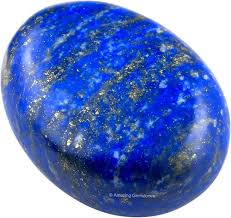
  • **Lapis lazuli** adorned pharaohs' burial masks and was ground into eyeshadow
  • **Turquoise** was used in protective amulets
  • **Carnelian** represented the blood of Isis
  • **Clear quartz** was placed on the foreheads of the deceased to guide them to the afterlife
  • Cleopatra reportedly wore crushed lapis lazuli as eyeshadow, believing it enhanced her vision and spiritual insight.

    Ancient Greece (800 BCE)

    Greek contributions to crystal lore are embedded in our language:

  • "Crystal" comes from "krystallos" (ice)—Greeks believed clear quartz was permanently frozen water
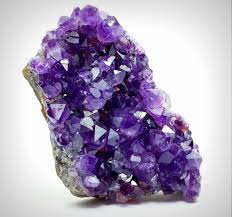
  • "Amethyst" from "amethystos" (not drunk)—soldiers wore it to prevent intoxication
  • Hematite was rubbed on soldiers' bodies before battle for protection
  • Ancient China

    Chinese medicine incorporated crystals for over 5,000 years:

  • Jade was considered the "stone of heaven" and used in healing
  • Crystal-tipped acupuncture needles were used in traditional medicine
  • The Chinese pharmacopoeia included numerous mineral prescriptions
  • Ancient India

    The Hindu Vedas, written around 1500 BCE, contain extensive references to crystals:

  • The chakra system associates specific stones with energy centers
  • Ayurvedic medicine used ground gems in healing pastes
  • Diamonds, rubies, and sapphires had specific therapeutic associations
  • The Middle Ages

    European Crystal Lore

    Medieval Europeans continued crystal traditions:

  • Clergy wore gemstone rings believed to carry healing powers
  • Lapidaries (crystal reference books) cataloged stone properties
  • Hildegard von Bingen (1098-1179) wrote extensively about crystal healing
  • Crusaders brought Eastern crystal knowledge back to Europe
  • Islamic Golden Age

    Islamic scholars preserved and expanded crystal knowledge:

  • Al-Biruni's "Book of Gems" cataloged mineral properties
  • Physicians used ground gemstones in medical preparations
  • Geometric crystal structures influenced Islamic art and architecture
  • The Renaissance to Modern Era

    Scientific Revolution

    As science advanced, crystal healing moved from mainstream medicine to folk practice. However, the piezoelectric properties of quartz (discovered in 1880 by the Curie brothers) gave crystals a genuine role in technology.

    The New Age Revival (1970s-Present)

    Crystal healing experienced a major revival in the 1970s-80s:

  • Melody's "Love Is in the Earth" cataloged hundreds of crystal properties
  • New Age shops brought crystals to mainstream consumers
  • Crystal healing became part of broader wellness culture
  • Crystals Today

    The Modern Landscape

    Today's crystal practice blends ancient traditions with modern wellness:

  • Used alongside meditation and yoga
  • Integrated into self-care routines
  • Valued for ritual and intention-setting
  • Recognized more for psychological benefits of ritual than magical properties
  • An Honest Perspective

    Modern crystal practitioners generally acknowledge that crystals don't heal in a medical sense. Their value lies in the rituals they inspire, the intentions they anchor, and the beauty they bring to mindful practice.

    What We Can Learn from History

    Across every civilization, crystals served a similar purpose: they gave people a tangible way to connect with their intentions, their communities, and something larger than themselves. That purpose remains relevant today.

    Historical practices are presented for educational context. Crystal healing is a spiritual tradition, not a medical treatment.
    Ready to Start Your Practice?

    Explore our collection of handcrafted crystal bracelets, each designed for intention and daily wear.